Table Of Content
The foundation transfers the structure’s load to the underlying soil or rock while minimizing settlement or movement. After reading this article, you should have a good idea of what pier and beam foundations have to offer. Basement foundations are the most expensive type of foundation, and they are not advisable in areas with flooding risks. As a result, pier and beam foundations may be a better alternative if you are hoping to elevate your home off the ground and pay slightly less in construction costs.

Recent Posts
It is important to consult with professionals and adhere to local building codes and regulations to ensure a safe and reliable structure. Some people prefer square or rectangular piers at structural corners, and round ones elsewhere. Beams are typically sized to support the joist framework that will be used for the structure. By completing these final touches, you will have successfully built a durable and reliable pier and beam foundation. Ensure that you follow local building codes and regulations throughout the process to guarantee a safe and compliant structure. With the floor joists in place, we are now ready to move on to the next step – adding subflooring.
How Much Does It Cost To Build A House? - Zing! Blog by Quicken Loans
How Much Does It Cost To Build A House?.
Posted: Fri, 23 Feb 2024 08:00:00 GMT [source]
Plan Approved!
Replacing or adding piers may be necessary if a pier has degraded over time or soil changes require a redistribution of the weight of your home. One of the easiest and least time consuming methods of repair is reshimming, which only involves making small adjustments to the beams. Using small pieces of wood (called shims) the beams or joists can be moved and re-tightened in place to fill any gaps.
Pier and Beam foundation repair cost

Some common indicators of foundation issues include tight or loose interior doors, diagonal cracks in walls, or uneven flooring. If any of these signs are observed, it is recommended to seek professional help for a thorough evaluation and necessary repairs. Pier and beam foundations are suitable for most soil types, including underwater conditions, and can be used on various types of structures. They also provide easy access to electrical and plumbing systems under the house and have a longer lifespan due to less vibration transfer. A slab foundation is ideal for flat or nearly flat ground, while a pier and beam foundation work well on most types of terrain. Pier and beam also raise the structure above the ground and surrounding topography, plus protect it from flooding.
How to Build a Pier and Beam Foundation Pier and Beam Foundation Repair
Otherwise, your house may be at risk of shifting off its foundations during an earthquake or small seismic activity. As housing development expands further into the countryside and away from easy-to-build-on land, pier and beam foundations create more flexibility for developers to build on uneven slopes. In comparison, concrete foundations tend to create foundation issues when a site is not level. Flooding inside your home is less likely to occur because pier and beam foundations elevate structures off the ground.
Step 6: Laying the Floor Joists
Expansive soils, such as clay soils, can put additional stress on the foundation and require more piers and stronger beams. For example, building a house in an area with a high water table will require additional drainage measures, which can increase the overall cost of the foundation. The fact that pier and beam foundations elevate homes off the ground assists greatly with repair efforts.
Construction & Materials - Green Building Elements
Construction & Materials.
Posted: Sat, 30 Sep 2023 00:14:52 GMT [source]
Signs You Have A Yard Drainage Problem
To ensure that the wood used in your foundation doesn’t rot, this type of foundation is made from preservative-treated wood. Many home builders prefer wood foundations because they are cheaper and less labor-intensive to install. The best way to solve issues of poor construction is to raise your foundation and floor joists. Consult a professional contractor to get a quote for a more accurate estimation of the cost.
Although pier and beam foundations’ crawl spaces attract chilly air, you can address this problem by adding subflooring well above the structure’s skeleton. The concept that pier and beam foundations raise homes above the ground tremendously aids in maintenance operations. The piers are typically positioned 5-10 feet in the middle around the perimeter. However, this can vary significantly based on the weight and size of the building. If you want it to hold the floor and structural components like the posts, the inside cavity of the building must be reinforced.
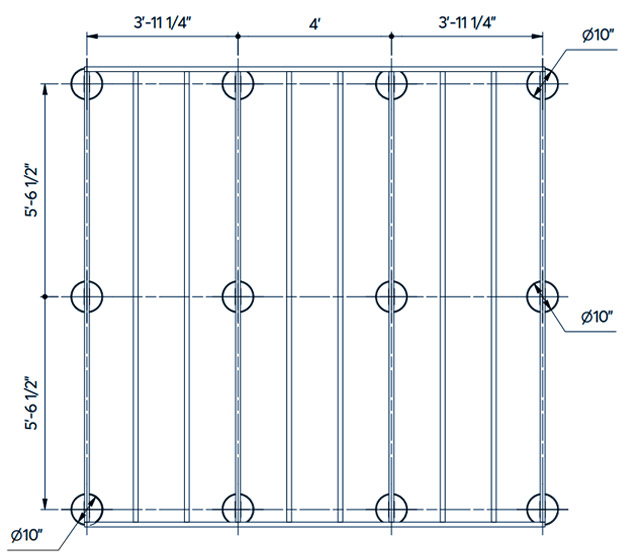
The floor plan and joist layout identify important dimensions, structural points, and potential plumbing concerns. Pier and beam foundation repairs are labor-intensive and can necessitate working in a confined crawl space. Pier and beam foundations save time and effort during construction by reducing the depth construction workers must dig into the earth.
Pier and beam foundations are a concrete (or cedar) footing and pier which supports floor joists and structure of the house. These foundations usually have crawl spaces underneath the home depending on the slope of the land the house is built upon. For pier-and-beam foundations, pier spacing will also depend upon arrangement of floor framing, particularly the location of load bearing walls and partitions. The openness of pier foundations creates natural venting of the crawlspace.
Spray painting circles or squares also is a good way to mark the pier locations. The greater the cross-sectional measurement of the pier and the beam dimensions, the more weight that can be supported. Remember, regular maintenance and inspections are crucial to ensure the longevity and stability of your pier and beam foundation. By staying proactive, you can identify and address any issues before they worsen. With the subflooring installed, we are now ready to move on to the next step – insulating the crawl space. Remember to exercise caution while digging the foundation holes, especially if you encounter any utility lines or other potential hazards.
Crawlspace stem wall foundations are short foundations with walls on concrete footings or stem walls that form the foundations of a house. The crawlspace created is a slightly elevated space below a house that you can crawl through and has enough room for storage or a furnace. Like pier and beam foundations, crawlspace stem wall foundations offer protection from flooding and other environmental hazards by elevating the house above the ground. Pier and beam foundations are considered deep foundations and have been around a long time. Our ancestors used them to support homes, barns, sheds, stores, and other light structures.
With the blueprints in place, the subsequent phase is digging the holes where you want to fix your piers. The ground conditions at the construction site will determine how deep you’ll have to dig out. Thus, some areas might require shallower holes than others and vice versa.




No comments:
Post a Comment